 11
11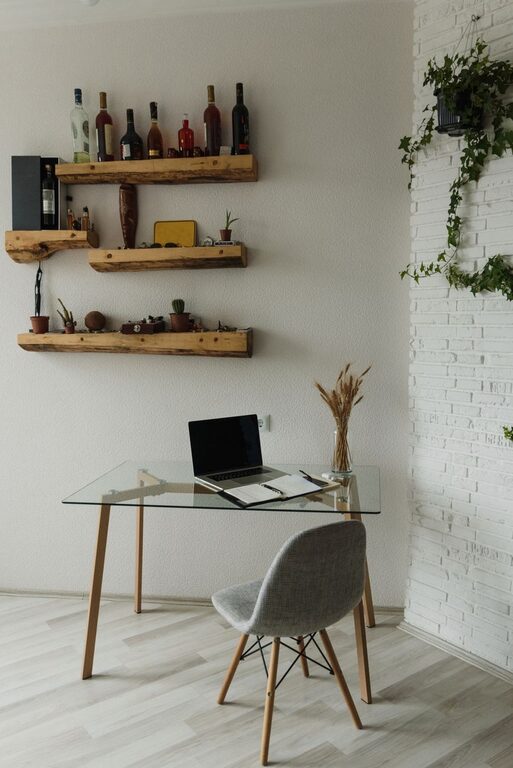
Creating a cozy and inviting home workspace is essential for maintaining productivity and comfort, especially as more people work from home. Whether you have a dedicated room or just a small corner, making your workspace pleasant can improve your focus and overall well-being. Here are some practical tips to help you design a work area that feels cozy, welcoming, and efficient.
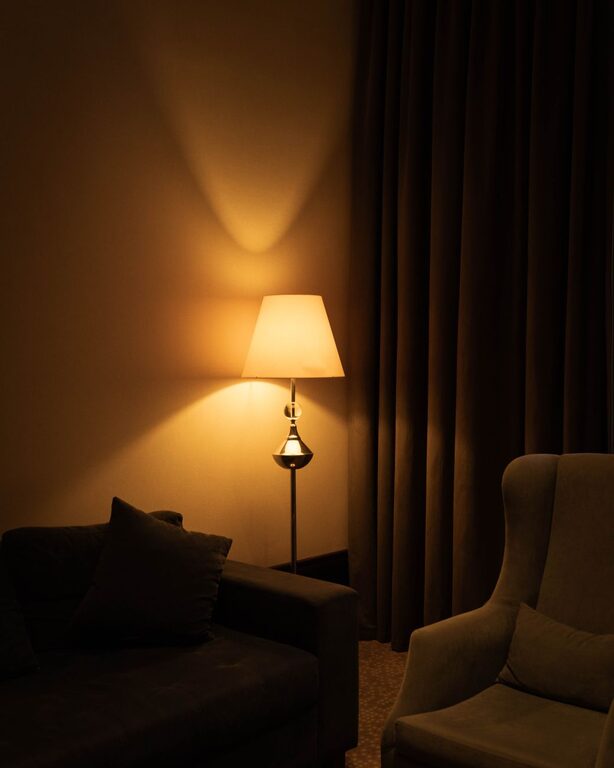
Start by picking a place with minimal distractions. Natural light is ideal since it boosts mood and concentration. Set up near a window if possible, but if natural light is limited, use warm-toned artificial lighting to create a soft atmosphere.
Think about what you require to work comfortably. Do you need enough space for multiple monitors, or is a compact desk enough? Make sure your location accommodates your equipment and allows for easy movement.
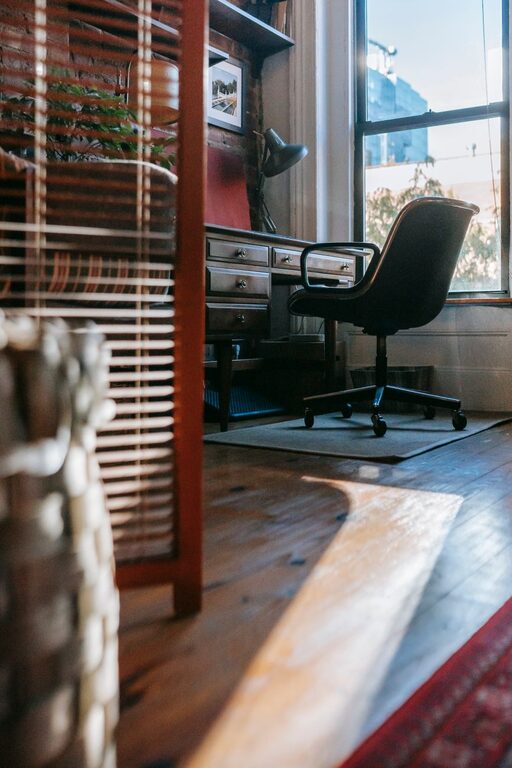
A comfortable, supportive chair is a must for long working hours. Ergonomic chairs help maintain good posture and reduce strain on your back and neck.
Choose a desk that fits your space and needs. Consider adjustable desks if you prefer alternating between sitting and standing. Ensure the desk height allows for comfortable typing and writing.
Soft, neutral colors like light blues, greens, or warm grays create a tranquil environment. Avoid overly bright or harsh colors, which can be distracting or tiring.
Incorporate items that make you smile or inspire you, such as photos, artwork, or small plants. These personal touches help make the space feel inviting without overcrowding it.
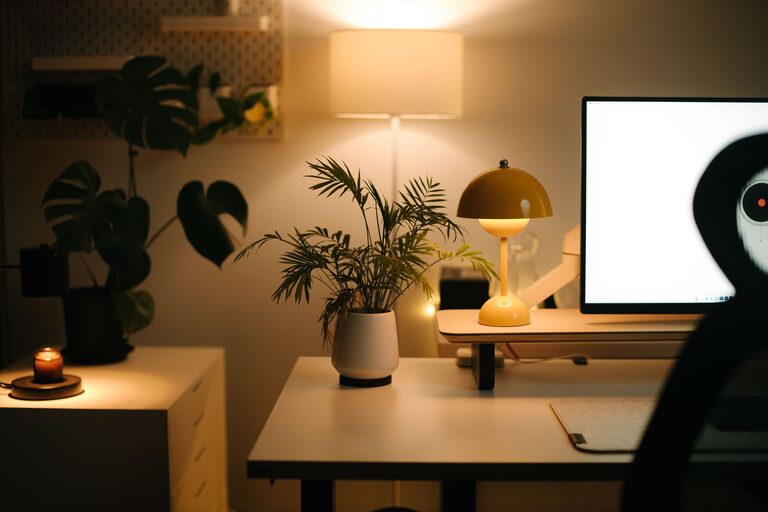
Combine ambient lighting (like ceiling lights) with task lighting (desk lamps) to reduce eye strain. Adjustable lamps let you control brightness according to the time of day and task.
Position your light sources to prevent reflections on your screen or harsh shadows on your workspace. This setup keeps your environment comfortable and reduces fatigue.
A tidy workspace helps maintain focus. Use organizers, trays, and drawers to keep supplies in order. Clear your desk at the end of each day to start fresh the next morning.
Use clips or sleeves to bundle cables neatly and prevent tangling. Organized cables not only look better but also minimize distractions.
Plants can improve air quality and bring a sense of calm. Small potted plants or succulents are low-maintenance options that add freshness to your desk.
Consider furniture and decor made from wood, cork, or stone for a warm, organic feel. These elements help create a more grounded and comforting workspace.
If you’re in a busy household or noisy environment, noise-canceling headphones can help you focus and reduce stress.
Some people find soft background music or nature sounds helpful for concentration. Experiment to see what works best for you.
Consider adding cushions to your chair or a soft rug under your desk. These small additions boost physical comfort and make the space more inviting.
Make sure your workspace is well-ventilated and allows for temperature adjustments. Being too hot or too cold can significantly affect productivity.
Create consistent work hours and stick to them to maintain work-life balance. This routine helps your brain associate your workspace with focused time.
If possible, designate your workspace as separate from living areas. This separation helps mentally distinguish work time and relaxation time.
—
By thoughtfully arranging your home workspace with comfort, functionality, and personal touches, you can build an environment that supports both productivity and relaxation. Start small, make choices that fit your style and needs, and enjoy a cozy, inviting space that makes working from home a pleasure.