 11
11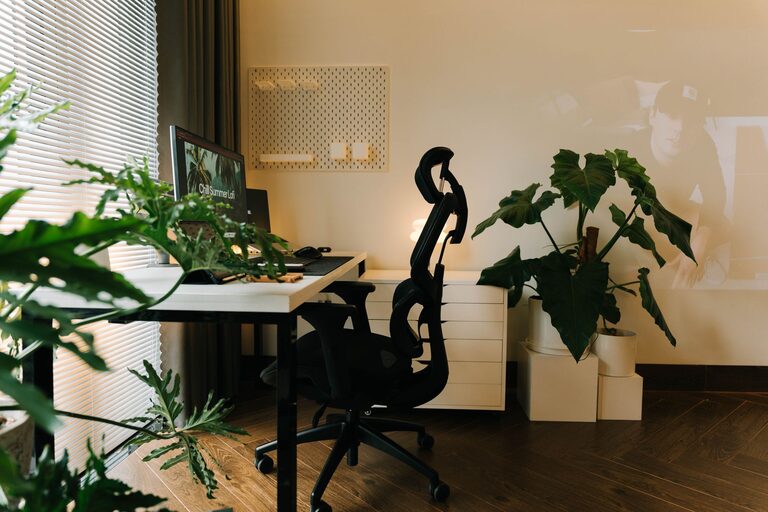
Creating a relaxing home office environment is essential for maintaining productivity and well-being, especially if you spend long hours working from home. A calm, organized, and comfortable workspace can reduce stress, boost focus, and help you establish a healthy work-life balance. Here are some useful tips to transform your home office into a place where you enjoy working every day.
Start by selecting the best spot in your home for your office. Ideally, this should be a quiet area with minimal distractions. If possible, pick a room with natural light and good ventilation. Avoid high-traffic zones like the kitchen or living room where interruptions are common. Even a small nook can work as long as it’s dedicated to work only.
Comfort is key for spending long hours at a desk without strain. Invest in an ergonomic chair that supports your back and encourages good posture. Pair it with a desk at the right height so your arms rest comfortably while typing. Consider accessories like footrests, adjustable monitor stands, and keyboard trays to further reduce fatigue. Your body will thank you after a full workday.
Natural light has a positive effect on mood and energy levels. Position your desk near a window if you can, but avoid glare on your computer screen. Use sheer curtains or blinds to soften harsh sunlight. When natural light is limited, choose full-spectrum bulbs that mimic daylight to keep your environment bright yet relaxing.
Clutter can create distractions and stress, so keep your workspace tidy. Use organizers, shelves, and storage boxes to store papers, office supplies, and cables. Daily or weekly cleanups help maintain order and keep your desk looking inviting. Organizing your space also makes it easier to find important items quickly, saving valuable time.
Adding personal touches helps make your home office feel welcoming. Display items that inspire you, such as photos, artwork, or plants. Incorporate colors you find calming—soft blues, greens, or neutrals often work well. Just be mindful not to overcrowd the space, as too many decorations can become overwhelming.
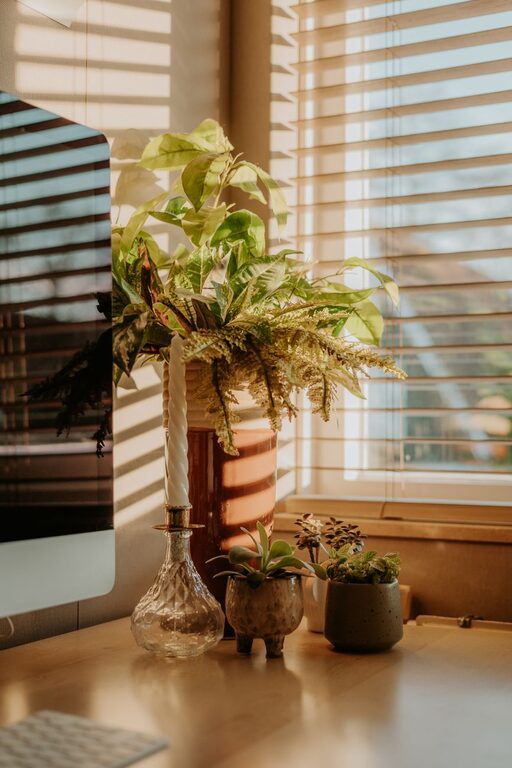
Plants not only add beauty but can improve air quality and reduce stress. Choose easy-to-care-for indoor plants like pothos, snake plants, or succulents. Place them on your desk or nearby shelves to bring a bit of nature indoors. The presence of greenery can create a peaceful atmosphere and boost creativity.
Noise distractions can reduce focus and increase tension. If you can’t control sound from outside, consider using noise-canceling headphones or white noise machines. Playing soft instrumental music or nature sounds can also create a soothing background ambiance without being intrusive.
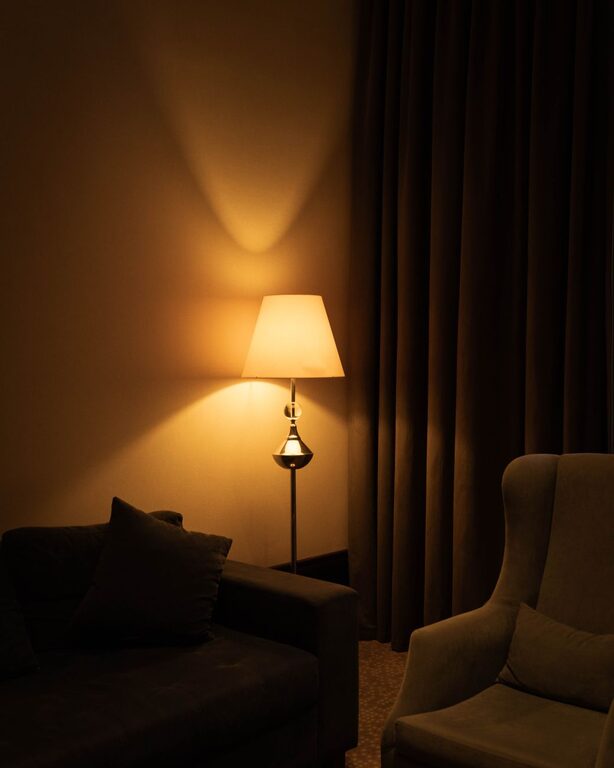
In addition to natural light, ensure your office has layered lighting. Use a combination of overhead lights and task lighting to reduce eye strain. Adjustable desk lamps allow you to focus light where you need it most. Avoid harsh fluorescent bulbs; warmer light tones are easier on your eyes and help create a comfortable environment.
Temperature affects comfort and concentration. Keep your workspace at a moderate temperature, ideally between 68-72°F. Use fans, heaters, or air purifiers as needed to improve airflow and maintain fresh air. Taking short breaks to open windows can also help refresh the room and your mind.
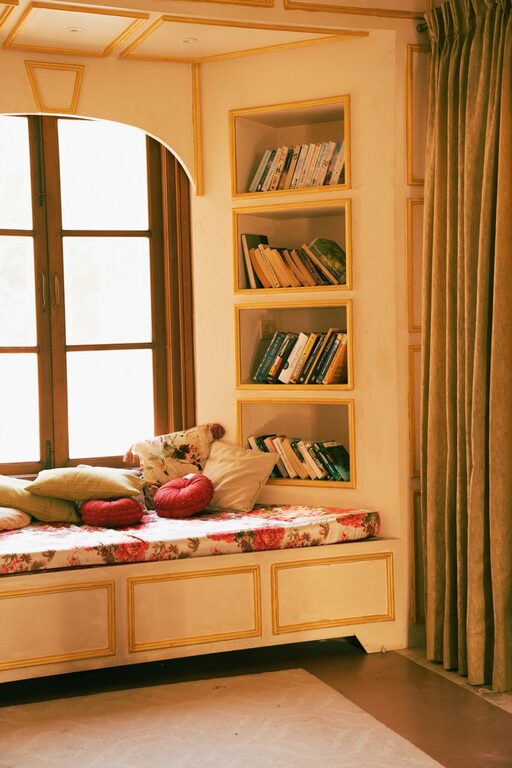
Include items that promote relaxation and quick breaks during your workday. This could be a small fountain, aromatherapy diffuser with calming scents like lavender or eucalyptus, or a soft cushion for stretching and sitting comfortably. Taking regular short breaks to breathe deeply or stretch can improve mental clarity and reduce fatigue.
A relaxing workspace also depends on how you manage work habits. Establish clear start and end times for your day to avoid burnout. Use your office space only for work to help mentally separate professional tasks from home life. A consistent routine makes it easier to focus and leave work behind when the day ends.
Messy cables and cluttered devices can add to frustration. Use cable organizers, clips, or sleeves to keep wires tidy and out of sight. Choose wireless accessories if possible to reduce clutter. Regularly update and maintain your devices to avoid technical disruptions.
Creating a relaxing home office environment doesn’t require a major renovation. Small, thoughtful changes can make a big difference in how you feel and perform while working from home. Focus on comfort, organization, and personal touches to build a space that supports your productivity and promotes calmness. With the right setup, your home office can become a sanctuary for focused and stress-free work.